

Vehicle Battery Chargers for Electric, Utility and Commercial Vehicles
Qiangfeng designs and manufactures vehicle battery chargers for electric, utility and commercial vehicles. Charger configurations can be selected according to battery voltage, battery type, charging requirements, AC supply, vehicle connection and communication needs. OEM and replacement projects can also be reviewed based on the existing vehicle and battery system.


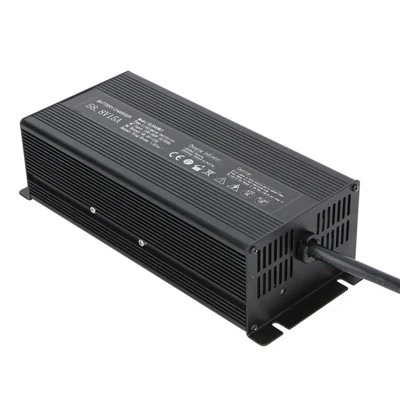
Vehicle Battery Charger Applications
Vehicle charger requirements can vary depending on the vehicle type, battery system and charging environment.
Electric Vehicles
For battery-powered vehicles used in garages, service facilities and designated charging locations.
Commercial & Service Vehicles
For delivery, maintenance, transportation and other service vehicles requiring scheduled charging.
Utility & Low-Speed Vehicles
For golf carts, utility vehicles and other low-speed battery-powered vehicles.
Fleet & Depot Charging
For multi-vehicle operations where charger quantity, electrical capacity and charging schedules must be coordinated.
Matching the Charger to the Vehicle Battery
Charger selection should start with the battery and vehicle requirements, rather than output voltage alone.

Battery Voltage
The charger output should match the required charging voltage specified by the battery or vehicle manufacturer.
Battery Type
Lead-acid and lithium battery systems may require different charging profiles and control parameters.


Battery Capacity
Battery capacity should be considered together with the required charging current and target charging time.
Vehicle Charging Requirements
Charging method, current, connector and communication requirements should be confirmed from the vehicle or battery specifications.

Charging Environment and Installation
Garage or Workshop
Consider available AC supply, ventilation, mounting space and access for operation or maintenance.
Fixed Charging Locations
Check mounting position, cable routing, connector accessibility and charger protection from the installation environment.
Fleet or Depot
Plan charger quantity, available electrical capacity and simultaneous charging demand.
Vehicle-Side Connection
Confirm connector type, cable length and connection arrangement before installation.
Vehicle Charger Replacement and Retrofit
For charger replacement or retrofit projects, the new charger should be matched to the existing vehicle and battery system rather than selected by output voltage alone. Buyers can provide the following information for compatibility review:
|
Information |
What to Provide |
|
Existing Charger |
Manufacturer, model, nameplate and available photos |
|
Vehicle |
Make, model and vehicle application |
|
Battery System |
Battery manufacturer, model and battery type |
|
Charging Connection |
Connector type, pin configuration and photos |
|
Charging Cable |
Existing cable length and connection arrangement |
|
Installation |
Mounting position, available space and fixing method |
Vehicle Charger Configuration Options
Vehicle charger projects may require more than a standard electrical output. Configuration can be reviewed according to the vehicle, battery, installation and project requirements.
Electrical: Output voltage, charging current and AC input can be defined according to the vehicle and battery requirements.
Connection: Charging connector, cable length and vehicle-side connection can be configured for the required interface
Mechanical: Housing dimensions, mounting method and available installation space can be reviewed for the target installation.
Communication: CAN, RS485 or other supported interfaces can be considered where communication with the BMS or vehicle system is required.
OEM: Private-label projects can include product labeling, documentation, packaging and other agreed requirements.

Pre-Shipment Testing and Burn-in Process
Vehicle battery chargers are checked and tested before shipment according to the product model and project requirements. Burn-in testing is used to verify stable operation under continuous working conditions and identify potential electrical, thermal or component-related issues before delivery.

Burn-in & Functional Test Process
Pre-Test Inspection:
Verify the charger model, electrical specifications, wiring, connectors, components and assembly condition before power-on.
Electrical Function Test: Check input voltage, output voltage, charging current and basic operating functions under the specified test conditions.
Continuous Operation Test: Operate the charger continuously under defined conditions to monitor output stability, temperature rise and abnormal operating conditions.
Protection & Interface Test: Where applicable, verify protection functions and communication interfaces such as CAN or RS485 according to the product configuration.
Post-Test Inspection: After testing, check the charger for abnormal conditions, connection issues, labeling and other shipment requirements before packing.
Testing Capacity: Qiangfeng operates dedicated testing and aging facilities, including 11 testing stations, 8 aging racks and load equipment to support charger testing and continuous-operation verification.
Compliance & Technical Documentation
Vehicle battery charger compliance requirements vary by product model and destination market. Applicable products can be supplied with relevant compliance documentation according to the target market and project requirements.
Where applicable, documentation may include:
CE-related documentation
UL-related certification or documentation
Product specifications
Electrical test information
Product identification and nameplate details
Other project-specific technical documents
Vehicle Battery Charger Procurement Checklist
|
Parameter |
Information to Provide |
|
Vehicle |
Make, model and application |
|
Vehicle Type |
Electric, utility, commercial, service or other vehicle type |
|
Battery |
Battery type, manufacturer, model and datasheet |
|
Battery Voltage |
Nominal voltage and required charging voltage |
|
Battery Capacity |
Battery capacity in Ah |
|
Charging Requirement |
Required charging current or target charging time |
|
AC Supply |
Input voltage, frequency and phase |
|
Connector |
Connector type, photos and cable requirements |
|
Installation |
Mounting position and available installation space |
|
Communication |
CAN, RS485 or other required interface |
|
Quantity |
Sample, replacement, trial order or production quantity |
|
Customization |
Electrical, mechanical, communication, labeling or branding requirements |
FAQ
As one of the most professional vehicle battery charger manufacturers and suppliers in China, our products have good reputation in the market. We warmly welcome you to buy customized vehicle battery charger made in China here from our factory. If you have any enquiry about quotation, please feel free to email us.
24v Golf Cart Charger, 36 Volt 18 Amp Golf Cart Battery Charger, Battery Charger for Golf Cart Ez Go